How to Protect Your Parents from Modern AI Scams, Fake Emails, and Tricky Text Links
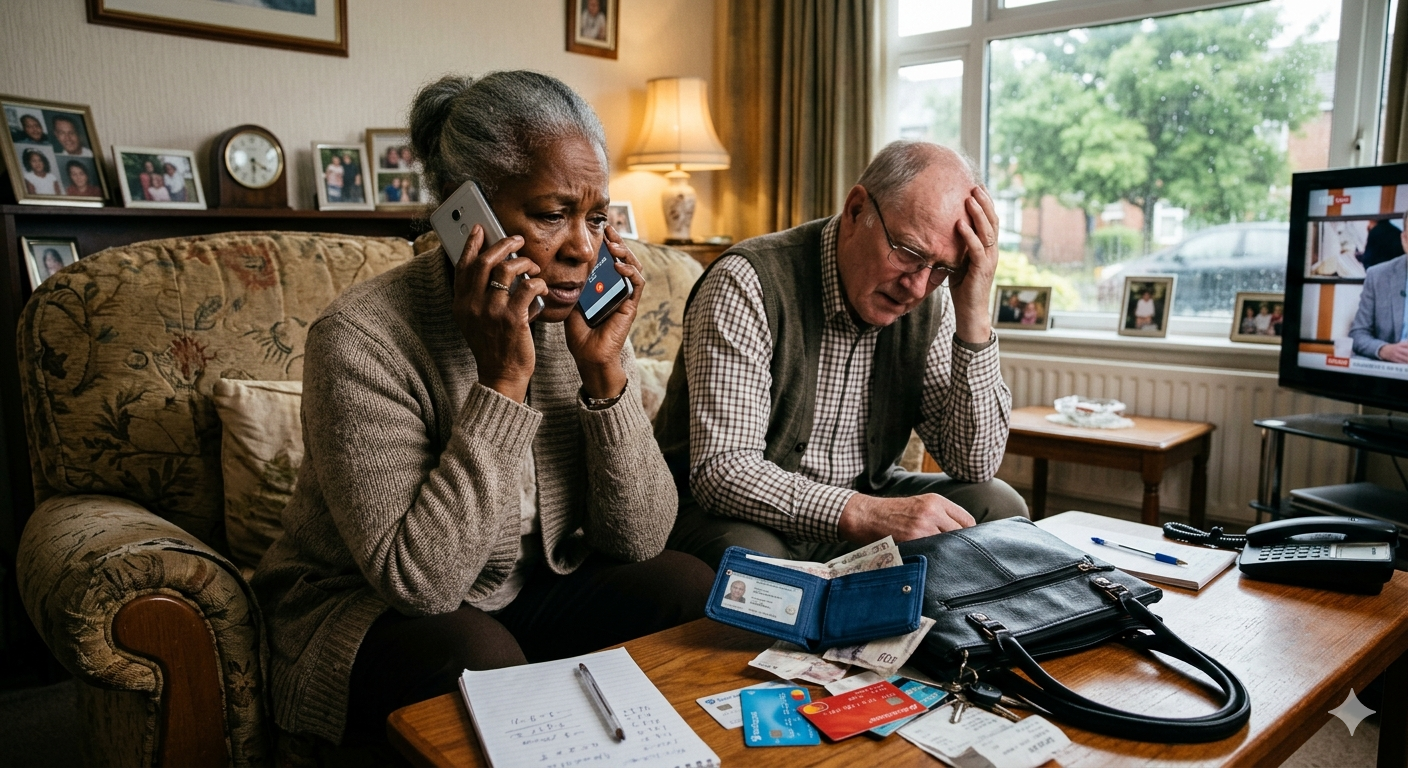
When we — and more importantly our parents — answer the phone, check emails, or look at text messages today, we’re all are facing a completely new type of threat. Scammers are no longer just sending generic spam with obvious spelling mistakes. They are now using artificial intelligence (AI) to clone family voices over the phone, writing flawless fake emails that look exactly like real companies, and sending urgent text messages with tricky lookalike links designed to steal bank details in seconds.
As an adult child helping your family navigate this, you don’t need complicated tech jargon—you just need a straightforward plan. GuardDoc Tech breaks down how these three modern traps work, how to spot them, and the simple steps you can take today to protect your parents’ financial and digital life.
As an adult child managing your parents’ affairs, you need a straightforward plan to secure their digital life. This guide breaks down exactly how these modern scams work and the simple steps you can take today to build a human firewall around your family.cams and Fake Calls. It really falls on us to protect the elderly from AI scams and fake calls.
The 3 Most Dangerous AI Scams Targeting Seniors
1. AI Voice Cloning (The “Grandchild in Trouble” Scam)
Scammers can take a short clip of a person’s voice—often harvested from a short social media video or a voicemail greeting—and use AI to replicate it perfectly. It’s frightening how good they are quickly getting at these tactics.
- Understanding How it works: Your parent gets a call from what sounds exactly like their grandchild, child, or a police officer. The cloned voice claims they have been in a car accident or arrested and need money sent immediately.
- How is this successful? The emotional panic of hearing a loved one’s actual voice in distress overrides critical thinking. Understanding just what your parents are up against is the first step in protecting them. Cybercriminals use freely available online tools to execute three main types of fraud:
2. Hyper-Personalized Phishing Emails
Traditional phishing emails were easy to spot because of bad grammar. Today, scammers use AI text tools to instantly write flawless, professional emails that look identical to notices from real institutions.
- How does this work? Your parent receives an email that looks exactly like it came from their bank, local hospital, or a government office. It might claim an account is locked or a medical bill is overdue, directing them to click a link and type in their password.
- The Danger of “Lookalike” Links: The biggest trap in these emails is the link itself. Scammers buy web addresses that look almost identical to your real bank or utility provider, changing just one tiny detail that is easy for older eyes to miss. For example, instead of netflix.com, they might use netf1ix.com (using a number 1 instead of an l), or swap chase.com for chase-security-update.com. Once your parent clicks that link, they are taken to a counterfeit website that looks 100% authentic, designed solely to steal their login details the moment they type them in.
3. “Digital Arrest” and Fake Authority Scams
Fraudsters use a mix of robocalls and fake documentation to convince seniors they are under investigation for a crime they didn’t commit.
- How Does This Happen? The scammer impersonates a bank fraud analyst or a police detective. They tell the parent their savings are compromised and pressure them into transferring funds to a “secure safety account” or handing over bank cards to a courier.
How to Have This Conversation Without Causing Panic
Talking to your parents about fraud can feel uncomfortable. They value their independence, and nobody wants to feel vulnerable or managed. The goal isn’t to make them fearful; it’s to make them a partner in your family’s security team.
Approach the conversation not as a lecture, but as a mutual update on how technology has changed.

What to Do: Pick a low-stress moment: Don’t bring this up during a chaotic family dinner or when they are rushed. Sit down over a quiet cup of coffee or tea.
Blame the technology, not them: Frame the conversation around how incredibly sophisticated scammers have become, making it hard for anyone—including you—to spot the trick.
What to Say
You can use these exact words to open the conversation naturally:
“Mom, Dad, I read an article recently about how scammers are using new AI tools to copy people’s voices over the phone. They can make a call look and sound exactly like me or one of the grandkids asking for help. It’s getting scary, and I want to make sure our family is completely locked down. Let’s create a secret family safe word right now that only we know. If you ever get a panicked call from ‘me’ asking for money, and the caller doesn’t know the word, you can hang up safely knowing it’s just a computer trick.”
We know these conversations can be hard sometimes, and a gentle but direct approach can be the key.
A Simple Checklist to Secure Your Parents’ Accounts
You do not need to be a technology expert to safeguard your parents. Implement these four practical security measures to dramatically reduce their risk of falling victim to a scam.
1. Set Up a Private Family Safe Word: Takes 5 minutes.
- You need to sit down with your parents and have a direct conversation about these “modern problems”. You need to choose a “Safe Word“.
A family safe word (or duress code) is a secret, predetermined word or phrase that a family member uses to signal that they are in danger, being coerced, or facing an emergency where they cannot speak freely.
Think of it as a silent alarm in the form of a casual conversation.
Choose a unique, memorable word or phrase known only to the immediate family. Instruct them that if anyone calls claiming to be a relative in an emergency, they must ask for the safe word. If the caller doesn’t know it, hang up immediately.
2. Enforce the Behavioral habit.
- Teach your parents to never react to emotional urgency on an incoming call. If a bank, utility company, or relative calls demanding money or personal data, your parents should hang up, find the official phone number from a real paper statement, and call back directly.
3. Turn On Two-Factor Authentication (2FA): Technical protection.
Log into your parents’ primary email, banking, and medical portals. Enable Two-Factor Authentication (2FA). This ensures that even if a scammer steals their alphanumeric password via a fake website, they cannot log in without a secondary code sent to your parent’s mobile phone.
4. Establish a Dual-Verification System: Ultimate safety.
For critical financial moves, coordinate with your parent’s bank to list you as a trusted contact. Some modern banking systems allow a “double confirmation” rule where major money transfers require an approval code sent to both the parent and the adult child before the funds can leave the account.

Right now, keeping your family paperwork safe is changing. It is no longer just about tossing files into basic cloud storage, or worse, keeping them in piles on a desk. It’s about setting up a lockdown-tight plan for your digital estates, protecting your files from smart hackers, and fixing security gaps before someone can exploit them.
How to Have This Conversation Without Causing Panic
Talking to your parents about fraud can feel uncomfortable. They value their independence, and nobody wants to feel vulnerable or managed. The goal isn’t to make them fearful; it’s to make them a partner in your family’s security team.
Approach the conversation not as a lecture, but as a mutual update on how technology has changed.
What to Do
Pick a low-stress moment: Don’t bring these topics up during a chaotic family dinner or when they are rushed. Sit down over a quiet cup of coffee or tea.
Remember,blame the technology, not them: Frame the conversation around how incredibly sophisticated scammers have become, making it hard for anyone—including you—to spot the tricks and scams.
Make it about protecting the whole family: Explain that setting up these rules secures everyone, not just them.
If you think this sounds like an exaggeration, just spend five minutes browsing the front page of Reddit. Every single day, regular people post heartbreaking stories about their friends, family and parents getting completely wiped out because they fell for a cloned AI voice, clicked a lookalike link in a fake email, tapped an urgent security text from a fake bank, or got tricked into buying thousands of dollars in gift cards. Protecting your parents isn’t about taking away their freedom; it’s just about setting up a few simple family rules so they never have to face these high-tech traps alone.
Framing the Conversation:
“Mom, Dad, I was reading about how scammers are using new AI tools to clone voices and send incredibly realistic fake emails, bank text links, and even weird demands for retail gift cards. It’s getting crazy out there, and I want to make sure our family is safe. Let’s pick a secret family safe word right now that only we know. If you ever get a panicked call, an urgent message, or a strange request for money or gift cards, and they don’t know our secret word, you can hang up safely knowing it’s just a trick.”
What to Do If Your Parent Has Been Scammed
- Contact the Bank Immediately: Call your parent’s bank or credit card issuer to freeze the accounts, report the unauthorized transaction, and dispute the charges. Credit cards offer significantly stronger fraud protection than debit cards.
- Change Main Passwords: Immediately update the passwords for their primary email and online banking. Ensure the new passwords are long, strong, and do not use easily searchable information like birthdates or pet names.
- File an Official Report: File a cybercrime report with local law enforcement and your national consumer protection agency to help track the fraudsters.
Real protection for your parents isn’t about taking away their independence. It’s just about organizing their important paperwork, keeping their phone and email safe, and setting up simple family rules so they never have to handle big money choices completely alone. Take a look at our easy, fillable, and printable templates at GuardDoc.Tech to get the ultimate safety package for your family today.
Phase 1: Your Initial Conversation (Taking Away the Urgency)
Approach this talk as a helpful update on new technology, not a lecture. Blame how smart the new tools are, not your parents’ awareness.
“Mom, Dad, I read a great article on how scammers are using new AI tools to copy people’s voices over the phone. They can make an incoming call look and sound exactly like me or the grandkids asking for money in an emergency. It’s getting tricky, and I want to make sure our family is safe. Let’s pick a secret family safe word right now that only we know. If anyone ever calls you claiming to be me in trouble, and they don’t know the word, you can hang up safely knowing it’s just a computer trick.”
